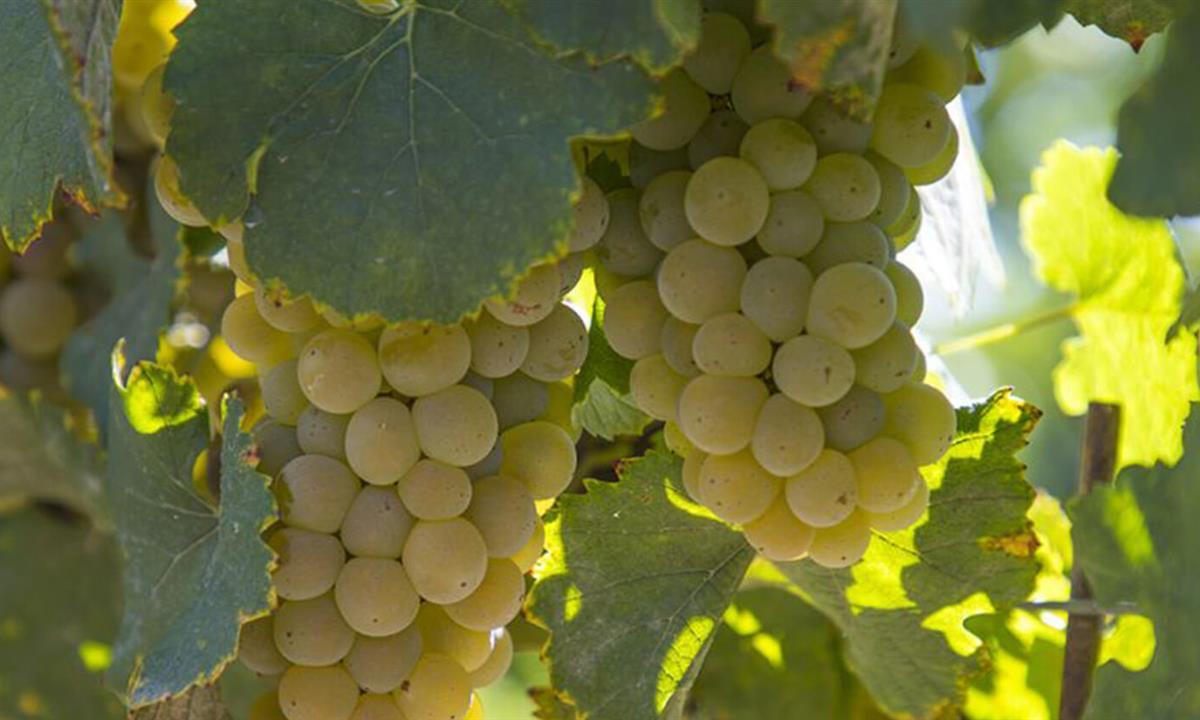
How to Pair Texas Hill Country Wines With Tapas at Home
Sep 15, 2026
To pair Texas Hill Country wines with tapas at home, start with the intensity of the food: choose lighter wines for delicate bites and fuller-bodied reds for richer dishes. Tempranillo complements cured meats and Manchego, while an aromatic Viognier works well with tangy goat cheese. Use these combinations as starting points, then taste and adjust to your preferences (Texas Wine Growers).
A few bottles, small plates and simple ingredients are enough to bring the spirit of Texas wine country to your table. Build your menu around Spanish favorites or Texas-inspired bites, with a mix of fresh vegetables, cheeses and hearty options. The steps and recipes below will help you choose wines, prepare complementary dishes and keep hosting manageable.
Key Takeaways
-
Match intensity first: Delicate dishes suit lighter wines; grilled meats and richer bites can support fuller-bodied reds.
-
Consider the whole dish: Sauces, seasonings and cooking methods matter alongside the main ingredient.
-
Choose sweetness carefully with heat: A slightly sweet wine can balance spicy food; fruity aromas alone do not mean a wine is sweet (Texas Wine Growers).
-
Keep the menu manageable: Start with two or three wines and a few tapas, including make-ahead options so you can enjoy the evening with your guests.
Texas Hill Country as a Wine and Food Destination
Texas Hill Country offers wine and food travelers a mix of tasting rooms, vineyards, restaurants and small-town hospitality within reach of Austin and San Antonio. Its wineries showcase a range of grape varieties, including Tempranillo, Mourvèdre and Viognier, giving visitors plenty of styles to explore with food (Wine Folly).
You can bring that sense of discovery home by serving Texas wines alongside Spanish-inspired tapas and local ingredients. Start with a bottle you enjoyed on a visit or one you are curious to try, then choose a few dishes that complement its character.
Understanding Hill Country Wines
Tempranillo, Viognier, Mourvèdre and Sangiovese offer a useful starting lineup for tapas, with styles ranging from aromatic whites to savory reds. The individual bottle matters, too: grape origin and winemaking influence how a wine tastes.
Hill Country wineries may source grapes from other regions. Check the growing region, or appellation, on the label to understand where the fruit comes from (Texas Wine Growers: Reading Wine Labels).
Use these general profiles when choosing your bottles:
-
Tempranillo: A Spanish red grape that produces Texas wines with fruit and structure. Consider it for cured meats, aged cheese or beef tapas.
-
Viognier: An aromatic white known for floral aromas and a lush texture. Try it with goat cheese or gently seasoned shrimp.
-
Mourvèdre: A versatile red whose style varies by growing site and producer. Check the tasting notes to decide whether your bottle suits lighter savory bites or richer meat dishes.
-
Sangiovese: Often medium-bodied, with fruit, herb and savory notes. Tomato-topped bread or herb-seasoned vegetables make useful pairing starting points.
These profiles provide direction; the producer’s tasting notes can help you narrow your choices further (Texas Wine Growers: Grape Varieties).
What Are Tapas, and Why Do They Pair Well With Wine?
Tapas are small portions of Spanish food served alongside drinks or combined into a meal. They range from olives and cured cheeses to warm dishes such as croquettes, garlic shrimp and Spanish potato omelette (Spain’s Official Tourism Website).
Their variety makes them useful for exploring wine pairings: you can taste the same wine with several bites and discover which combinations you enjoy. At home, try a sip before and after a mouthful, noticing whether the wine seems brighter, softer or more bitter. That simple comparison helps you choose pairings with confidence.
How to Pair Texas Wines With Tapas: A Step-by-Step Guide
Build your wine-and-tapas menu by choosing a theme, selecting a few bottles and matching dishes to their styles. Before guests arrive, taste your planned combinations so you have time to adjust seasonings or swap a pairing.
1. Select a theme
Pick Spanish classics, a Texas twist or seasonal produce. A focused theme makes shopping easier and keeps flavors coherent across wines and plates. For example, build a Spanish-inspired spread around olives, Manchego and tomato bread, then add a warm dish such as garlic shrimp.
2. Pick your wines
Choose two or three bottles with enough contrast to make tasting interesting. Viognier and Tempranillo provide a white-and-red starting point; add Sangiovese or Mourvèdre if you want to compare reds. Read the tasting notes for sweetness, body and oak influence before deciding which dishes to serve.
3. Build your tapas menu
For a manageable first gathering, plan three or four dishes, mixing ready-to-serve foods with one or two cooked options. Include vegetables alongside meat or seafood, and check guests’ dietary needs before shopping. Keep strongly flavored sauces on the side so everyone can adjust each bite.
4. Match flavors, then taste
Start with similar intensity: lighter dishes with lighter wines, richer plates with fuller-bodied bottles. Acidity can refresh the palate alongside fatty foods, while protein-rich dishes can soften the impression of tannins in reds. For chili heat, consider a slightly sweet wine rather than relying on fruity aromas alone (Texas Wine Growers).
Taste each dish with its intended wine. If the food overwhelms the glass, reduce the sauce or seasoning, or try a fuller wine. If a red tastes too drying, test it with a bite of meat or cheese.
5. Present with style
Arrange small plates where guests can reach them, with water and plain bread available between tastes. Label each wine and suggest a dish to try alongside it. Encourage guests to compare combinations and share their favorites.
Easy Texas Wine Country Tapas Recipes to Try
Build your spread around beef empanadas, grilled shrimp, chorizo with roasted potatoes and goat cheese crostini. Follow the linked recipes for complete ingredients and preparation instructions, then use these pairing suggestions to choose your Texas wines.
Tempranillo + Beef Empanadas
For a hearty option, try the Hairy Bikers’ baked beef empanadas, which yield 12 pastries (BBC Food).
Choose a medium- to full-bodied Texas Tempranillo to accompany the savory filling and rich pastry. Tempranillo’s suitability for beef makes this a useful starting combination; serve any hot dipping sauce separately so guests can adjust the heat (Texas Wine Growers).
Viognier + Grilled Shrimp Skewers
Simply Recipes’ smoky paprika shrimp skewers combine garlic, cumin, lime and paprika in a marinade before grilling. The recipe serves four and includes a refrigerated marinating period of 30–60 minutes (Simply Recipes).
Try a dry Viognier with enough body to accompany the seasoned shrimp. Choose mild smoked paprika for this pairing, allowing the wine’s floral character to remain noticeable alongside the smoky flavors.
Mourvèdre + Chorizo and Roasted Potatoes
Serve chorizo atop roasted potato halves as individual bites, following this published preparation (Food Network).
Try a fuller-bodied Mourvèdre with the sausage’s richness and savory seasoning. Keep the chorizo’s chili heat moderate: a higher-alcohol red can be uncomfortable alongside very hot food. Taste the combination before serving, and let guests add spicy sauce separately.
Sangiovese + Goat Cheese Crostini
Bon Appétit’s version tops grilled bread and softened goat cheese with green olives, fennel, thyme and orange. It makes 16 crostini, and the olive mixture can be prepared up to two days ahead (Bon Appétit).
Try a medium-bodied Texas Sangiovese with this tangy, herb-accented bite. Look for a bottle with savory notes and moderate oak influence, then compare a sip with the cheese alone and with the complete topping to find your preferred balance.
Tips for Hosting a Memorable Wine and Tapas Night
Plan your pours and preparation schedule before guests arrive so you can spend more time at the table.
-
Measure tasting pours: A 750 mL bottle holds approximately 25 fluid ounces, enough for twelve 2-ounce tastes. For six guests sampling three wines once, one bottle of each wine comfortably covers the tasting.
-
Serve according to wine style: Lightly chill a full-bodied white such as Viognier to approximately 50–55°F. Fuller reds generally suit 59–64°F, cooler than many homes. Follow the producer’s guidance when available (Wine & Spirit Education Trust).
-
Work backward from serving time: Prepare make-ahead components first, set out serving dishes and leave quick-cooking shrimp until guests are ready to eat.
-
Add a local touch: Shop for Texas cheeses, seasonal produce or locally made bread to complement the Spanish-inspired dishes.
-
Make everyone welcome: Offer a nonalcoholic option alongside the wines, and let guests choose whether to finish or skip a pour.
FAQ
Do I need a different wine for every tapa?
No. Start with one white and one red, then try each with several dishes. This keeps the gathering manageable and lets guests discover how the same wine changes alongside different foods.
Can I serve vegetarian tapas with Texas wines?
Yes. Goat cheese crostini, tomato bread, roasted vegetables and potato dishes offer plenty of variety. Choose wines according to the dish’s seasoning and richness, just as you would with meat or seafood.
Should I choose sweet or dry wine for spicy tapas?
A slightly sweet wine can help balance chili heat. For mildly seasoned dishes, dry wines can also work, depending on the bottle and your preferences. Check the wine’s description for sweetness rather than assuming that fruity aromas mean residual sugar (Texas Wine Growers).
Bring Texas Wine Country to Your Table
Keep a note of the combinations your guests enjoy most, then build your next gathering around those discoveries. A favorite bottle or a seasonal ingredient can inspire an entirely new menu.
For inspiration on your next Hill Country visit, join us in the tasting room at Carter Creek Winery Resort & Spa to explore our wines and discover a favorite to bring home. Plan your visit through our tasting room page, then let your next bottle guide what’s cooking (Carter Creek Tasting Room).
Latest Articles
Resort Information, Brewery and Dining,
How to Pair Texas Hill Country Wines With Tapas at Home
To pair Texas Hill Country wines with tapas at home, start with the intensity of the food: choose lighter wines for delicate bites and fuller-bodied reds for richer dishes.
Resort Information, Activities
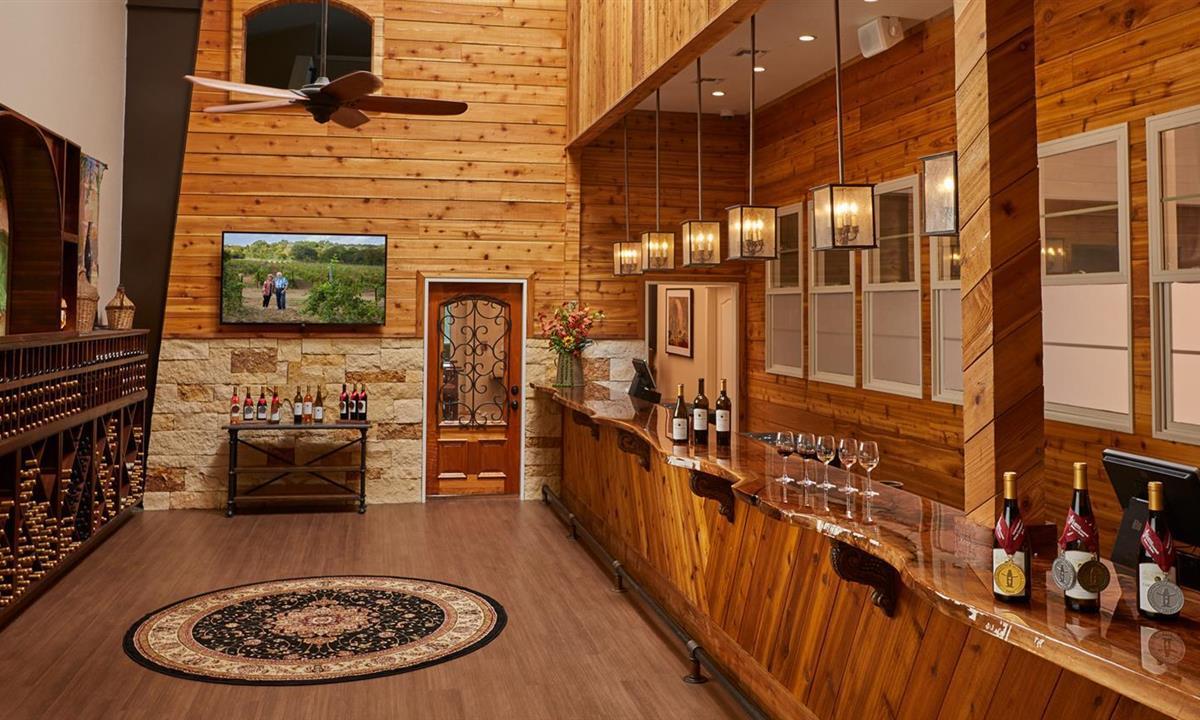
Carter Creek Tasting Room: Hours, Reservations, and FAQs
Carter Creek Winery Resort & Spa’s tasting room in Johnson City is an inviting stop during a Texas Hill Country getaway.
Resort Information, Activities
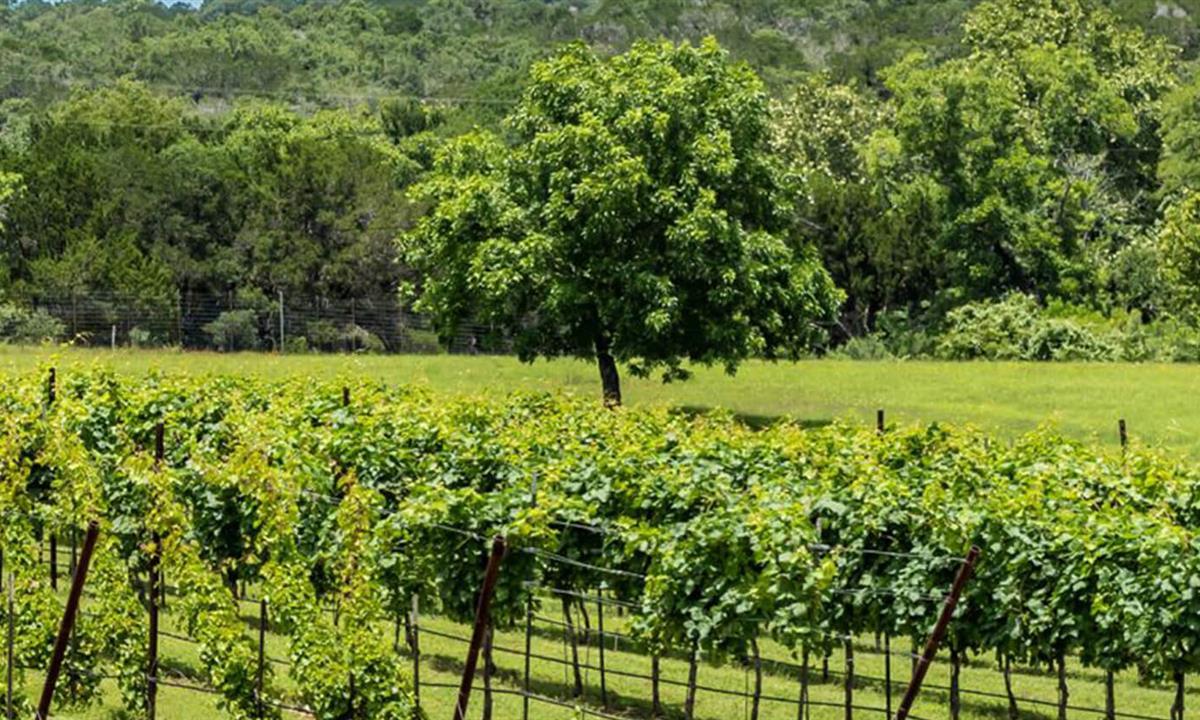
Best Time to Visit Texas Vineyards: Spring, Harvest, or Fall
Spring and fall are the best starting points for planning a Texas vineyard getaway, especially if outdoor tastings are your priority.
Resort Information, Activities
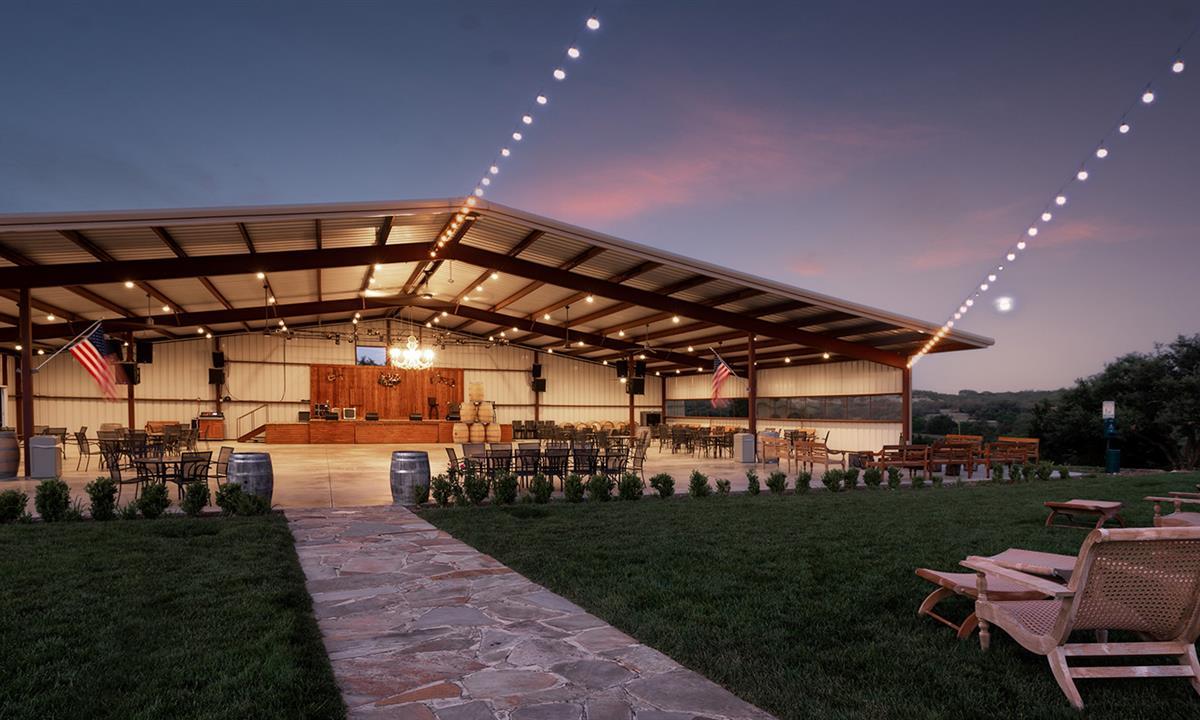
Things to Do in Texas Wine Country If You Do Not Drink Wine
Wine tasting may shape many Texas Wine Country itineraries, but it’s certainly not required for a worthwhile and memorable trip.
Resort Information, Activities
Best Johnson City Wine Experiences for 2026
Johnson City makes a practical base for exploring Texas Hill Country wine country, combining downtown tasting rooms, local dining and cultural attractions with vineyard estates along and around U.S. Highway 290.
Resort Information, Brewery and Dining, Activities,
Fredericksburg, Texas: 2026 Travel Guide to Wineries, Heritage, Itineraries
Fredericksburg, Texas, brings together two defining Hill Country experiences: a town rooted in German heritage and a thriving wine region.